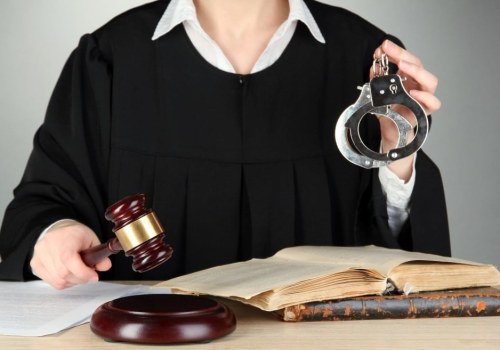
In the realm of criminal law services, the selection of a judge is a pivotal process that significantly influences the outcome of legal proceedings. Judges serve as impartial arbiters, ensuring that justice is administered fairly and equitably. Their role extends beyond merely presiding over trials; they interpret laws, assess evidence, and guide juries in their deliberations. Understanding how judges are selected is essential for anyone navigating the complexities of the criminal justice system. The judge selection process varies across jurisdictions, but it typically involves a combination of appointment and election.
In some states, judges are appointed by the governor or a judicial nominating commission, while in others, they are elected by the public. This dual approach aims to balance accountability with the need for judicial independence. Regardless of the method, the qualifications and backgrounds of candidates are scrutinized to ensure that only those with the requisite legal expertise and ethical standards ascend to the bench. Moreover, the role of judges in criminal law cannot be overstated. They not only interpret laws but also set precedents that shape future legal interpretations.
Their decisions can have far-reaching implications for defendants, victims, and society at large. As we delve deeper into this topic, we will explore the intricacies of the judge selection process and its impact on the administration of justice within the framework of criminal law services.
Overview of the Judicial System in Criminal Law
The judicial system in the United States plays a crucial role in the administration of criminal law. It is designed to ensure that justice is served fairly and impartially. Understanding this system is essential for anyone involved in or studying criminal law, as it outlines how judges are selected and their various functions within the legal framework.At the heart of the judicial system are judges, who are responsible for presiding over criminal cases.There are several types of judges, each with distinct roles:
- Trial Judges: These judges oversee the initial proceedings in criminal cases, including arraignments, pre-trial motions, and jury trials. They ensure that the trial is conducted fairly and that legal procedures are followed.
- Appellate Judges: After a trial, parties may appeal the decision to a higher court. Appellate judges review the trial court's proceedings to determine if any legal errors occurred that could have affected the outcome.
- Magistrate Judges: Often found in federal courts, magistrate judges handle preliminary matters such as bail hearings and search warrants. They may also preside over certain types of cases with consent from both parties.
In some states, judges are appointed by the governor or a judicial nominating commission, while others may be elected by the public. This process aims to balance accountability to the electorate with the need for judicial independence.Understanding the different types of judges and their roles within the judicial system is vital for those seeking criminal law services. It helps clarify how justice is administered and ensures that individuals involved in criminal cases know what to expect from their legal proceedings.
The Importance of Judge Selection in Criminal Cases
In the realm of criminal law services, the selection of a judge is a pivotal step that can significantly influence the outcome of a case. The judge's role extends beyond merely presiding over court proceedings; they are responsible for ensuring that justice is served fairly and impartially.This makes the process of selecting a judge not just important, but essential for maintaining the integrity of the judicial system.
Impact on Criminal Cases
- A judge's decisions can shape the trajectory of a case, affecting everything from pre-trial motions to sentencing.
- The demeanor and approach of a judge can influence jury perceptions, potentially swaying their opinions and decisions.
- Judges with specific expertise in criminal law may better understand complex legal arguments, leading to more informed rulings.
- Experience: Judges with extensive backgrounds in criminal law are often more adept at navigating the intricacies of cases.
- Impartiality: A fair and unbiased judge is essential for upholding the rights of both the defendant and the prosecution.
- Communication Skills: The ability to clearly articulate legal concepts and rulings can enhance understanding among all parties involved.
The Process of Selecting a Judge: Step-by-Step
The selection of a judge in a criminal law case is a critical process that ensures the integrity and fairness of the judicial system. This process can vary significantly depending on the jurisdiction, but it generally follows several key steps.- Nomination: In many jurisdictions, judges are nominated by a governing body or an executive authority. This could be the president, a governor, or a judicial nominating commission.
The nomination process often involves evaluating candidates based on their legal experience, qualifications, and ethical standards.
- Evaluation: Once candidates are nominated, they undergo a thorough evaluation. This may include background checks, interviews, and assessments of their previous judicial decisions or legal work. The goal is to ensure that only qualified individuals are considered for the position.
- Public Input: Some jurisdictions allow for public input during the selection process. This can involve public hearings where community members can express their opinions about the candidates.
Such transparency helps build trust in the judicial system.
- Appointment or Election: After evaluation and public input, judges may be appointed or elected. In some states, judges are appointed for life or until a mandatory retirement age, while others may face periodic elections where they must campaign to retain their position.
- Confirmation: In cases where judges are appointed, they often require confirmation from a legislative body. This step serves as an additional check on the qualifications and suitability of the nominee.
Factors Influencing Judge Selection
The selection of judges in criminal law cases is influenced by a myriad of factors that can significantly impact the judicial process.Understanding these factors is crucial for those seeking criminal law services or involved in legal proceedings.
Political Influence on Judges
One of the most prominent factors is political affiliation. In many jurisdictions, judges are appointed or elected based on their political ties. This can lead to a judiciary that reflects the prevailing political climate, which may affect their rulings and interpretations of the law. For instance, a judge with strong ties to a particular political party may be more inclined to favor cases that align with that party's ideology.Public Opinion on Judges
Public opinion also plays a critical role in the selection process.Judges are often aware of the sentiments of the communities they serve, and this awareness can influence their decisions. High-profile cases, especially those involving criminal law, can sway public perception and lead to increased scrutiny of judges' actions. As a result, judges may feel pressured to align their rulings with public expectations to maintain their positions or reputations.
Legal Qualifications
While political and public factors are significant, legal qualifications remain paramount in the selection process. Candidates for judgeships typically undergo rigorous evaluations based on their legal experience, educational background, and professional conduct.A well-qualified candidate with a strong track record in criminal law is more likely to be selected, as they bring essential expertise to the bench.In summary, the selection of judges in criminal law cases is a complex interplay of political influences, public opinion, and legal qualifications. Each factor contributes to shaping a judiciary that not only interprets the law but also reflects societal values and expectations.
Judicial Review and Its Impact on Judge Selection
The judicial review process plays a crucial role in shaping the landscape of criminal law services, particularly in how judges are selected and held accountable. This process allows higher courts to evaluate the decisions made by lower courts, ensuring that judicial actions align with constitutional principles and legal standards.One significant aspect of judicial review is its impact on judge selection. When judges know their decisions can be scrutinized, they may be more inclined to adhere to established legal precedents and ethical guidelines.This accountability fosters a judicial environment where judges are not only selected based on their qualifications but also their commitment to upholding justice.Moreover, the impact of judicial review extends beyond individual cases. It influences the overall perception of the judiciary's integrity and effectiveness. When the public sees that judges are held accountable for their rulings, it enhances trust in the legal system, which is essential for maintaining social order.In addition, the judicial accountability fostered by the review process can lead to more rigorous selection criteria for judges. States may implement comprehensive evaluation systems that assess a judge's performance based on their adherence to legal standards and ethical conduct.
This ensures that only those who demonstrate a strong commitment to justice are appointed to serve in criminal law cases.In conclusion, the judicial review process significantly impacts both the selection and accountability of judges in criminal law cases. By promoting transparency and adherence to legal standards, it helps ensure that the judiciary remains a pillar of justice within society.
Common Questions About Judge Selection in Criminal Law Cases
When it comes to the selection of a judge in a criminal law case, many individuals have questions and concerns. Understanding this process can help demystify the judicial system and provide clarity for those involved.- What factors influence judge selection? The selection of a judge can be influenced by various factors, including the judge's experience, reputation, and prior rulings. In some jurisdictions, judges are elected, while in others, they are appointed.
This can affect their accountability and the public's perception of their impartiality.
- Can a defendant request a different judge? Yes, defendants can request a different judge if they believe that the current judge may be biased or unable to provide a fair trial. This is often referred to as a "motion for recusal." However, the request must be supported by valid reasons.
- How does the judge's background affect the case? A judge's background, including their legal philosophy and previous rulings in similar cases, can significantly impact the outcome of a criminal case. Understanding a judge's history can help defendants and their legal teams prepare more effectively.
- What are common concerns about judges in criminal cases? Common concerns include potential biases based on race, socioeconomic status, or political affiliations. Additionally, there may be worries about the judge's ability to remain impartial in high-profile cases or those involving significant public interest.
By understanding the nuances of judge selection, defendants can better advocate for their rights and ensure they receive fair treatment throughout their legal proceedings.
Conclusion: The Significance of an Informed Judge Selection Process
In conclusion, the process of selecting a judge in a criminal law case is not merely a procedural formality; it is a critical component that can significantly influence the outcome of legal proceedings. Understanding this process is essential for all parties involved, from defendants to legal representatives, as it directly impacts the fairness and integrity of the judicial system.Throughout this article, we have explored various aspects of judge selection, including:- Qualifications and Experience: The importance of a judge's legal background and their familiarity with criminal law services.
- Judicial Philosophy: How a judge's approach to interpreting the law can affect case outcomes.
- Community Representation: The necessity for judges to reflect the values and concerns of the community they serve.
- Transparency and Accountability: The role of public scrutiny in ensuring judges are held to high ethical standards.
It ensures that justice is not only done but is also seen to be done. As we continue to advocate for fair criminal law services, it is imperative that we prioritize transparency and informed decision-making in the selection of judges. This commitment will help uphold the principles of justice and equality under the law for all individuals.