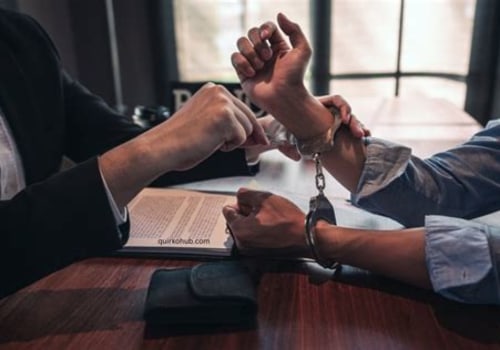
In the complex landscape of the legal system, criminal law services play a pivotal role in ensuring justice and protecting the rights of individuals accused of crimes. These services encompass a wide range of legal assistance tailored to address the unique challenges faced by defendants, victims, and even those seeking to understand their legal standing. Understanding the various types of criminal law services available is essential for anyone navigating this intricate field.Criminal law services are not just limited to representation in court; they also include pre-trial consultations, plea negotiations, and post-conviction appeals. Each type of service is designed to cater to specific needs within the criminal justice system, making it crucial for individuals to be aware of their options.
For instance, some may require a defense attorney who specializes in a particular area, such as drug offenses or white-collar crimes, while others might seek legal advice on how to file a complaint or pursue restitution.The significance of these services cannot be overstated. They not only provide essential support during stressful legal proceedings but also help ensure that the rights of all parties involved are upheld. As we delve deeper into the various types of criminal law services, it becomes clear that understanding these options is vital for anyone facing legal challenges related to criminal activity.
Types of Criminal Law Services
Understanding the landscape of criminal law services is essential for anyone navigating the legal system. These services can be broadly categorized into two main types: criminal defense and prosecution services.Criminal Defense Services
Criminal defense services are designed to protect the rights of individuals accused of crimes.These services include:
- Legal Consultation: Initial meetings where attorneys assess the case and provide guidance on potential defenses.
- Representation in Court: Defense attorneys represent clients during trials, hearings, and plea negotiations.
- Investigation Services: Gathering evidence, interviewing witnesses, and building a defense strategy.
- Plea Bargaining: Negotiating with prosecutors to reduce charges or secure lighter sentences.
- Appeals: Assisting clients in appealing convictions or sentences that they believe are unjust.
Prosecution Services
Prosecution services, on the other hand, are provided by government attorneys who represent the state in criminal cases. Their responsibilities include:- Case Preparation: Collecting evidence and preparing cases for trial against defendants.
- Court Representation: Prosecutors present the case in court, aiming to prove the defendant's guilt beyond a reasonable doubt.
- Plea Negotiations: Engaging in discussions with defense attorneys to reach agreements that may involve reduced charges or sentences.
- Victim Advocacy: Ensuring that victims' rights are upheld throughout the legal process.
Criminal Defense Services
When it comes to criminal law services, the role of a defense attorney is crucial in ensuring that defendants receive fair representation and their rights are protected throughout the legal process. There are primarily two types of defense attorneys: public defenders and private defense lawyers.Public Defenders
Public defenders are government-employed attorneys who provide legal representation to individuals who cannot afford to hire a private lawyer.These attorneys are often experienced in handling a wide range of criminal cases, from misdemeanors to serious felonies. While public defenders may have heavy caseloads, they play a vital role in the justice system by ensuring that even those with limited financial resources have access to legal counsel.
Private Defense Lawyers
Private defense lawyers, on the other hand, are hired directly by clients and typically charge fees for their services. These attorneys often have more time to dedicate to each case, allowing them to conduct thorough investigations, negotiate plea deals, and prepare robust defenses tailored to their clients' specific situations. Many private defense lawyers specialize in particular areas of criminal law, such as drug offenses, white-collar crimes, or violent crimes, which can be beneficial for clients seeking expert representation.The Importance of Criminal Defense Services
The importance of criminal defense services cannot be overstated.Both public defenders and private defense lawyers work diligently to uphold the principle of innocent until proven guilty, ensuring that every defendant has the opportunity to present their case in court. They investigate evidence, interview witnesses, and develop legal strategies aimed at achieving the best possible outcome for their clients.In conclusion, whether through a public defender or a private defense lawyer, criminal law services are essential for maintaining justice and protecting individual rights within the legal system. Understanding the differences between these types of defense attorneys can help defendants make informed decisions about their legal representation.
Prosecution Services
In the realm of criminal law services, prosecution services play a pivotal role in the criminal justice system. Prosecutors, often referred to as district attorneys, are responsible for representing the government in criminal cases.Their primary duty is to uphold the law and ensure that justice is served, which involves a range of responsibilities.
The Role of Prosecutors
- Case Evaluation: Prosecutors assess evidence and determine whether there is sufficient basis to file charges against a suspect. This involves reviewing police reports, witness statements, and other relevant materials.
- Charging Decisions: Once a case is evaluated, prosecutors decide what charges to bring. This decision can significantly impact the outcome of a case and reflects the prosecutor's judgment on the severity of the crime.
- Trial Preparation: Prosecutors prepare for trial by gathering evidence, interviewing witnesses, and developing legal strategies. They must be well-versed in both the facts of the case and applicable laws.
- Court Representation: During trials, prosecutors present evidence and arguments to support their case against the defendant.
They must effectively communicate with judges and juries to advocate for a conviction.
- Plea Bargaining: In many cases, prosecutors engage in plea negotiations with defense attorneys. This process can lead to reduced charges or sentences in exchange for a guilty plea, which helps manage court resources.
Legal Aid and Public Defender Programs
Access to criminal law services is crucial for individuals facing legal challenges, especially for those who cannot afford private representation.Legal aid organizations and public defender programs play a vital role in ensuring that everyone has the right to a fair trial, regardless of their financial situation.
Legal Aid Services
- Legal aid services are typically non-profit organizations that provide free or low-cost legal assistance to individuals in need.
- These services often cover a range of issues, including criminal defense, family law, housing disputes, and immigration matters.
- Eligibility for legal aid is usually based on income and the nature of the legal issue, ensuring that those who qualify receive the help they need.
Public Defender Programs
- Public defenders are attorneys employed by the government to represent individuals accused of crimes who cannot afford to hire a private lawyer.
- This program is essential in upholding the Sixth Amendment right to counsel, ensuring that defendants receive competent legal representation.
- Public defenders often handle a high volume of cases, which can impact the amount of time they can dedicate to each client. However, they are trained professionals committed to defending their clients' rights.
Affordable Legal Help
- In addition to legal aid and public defenders, there are also various community resources and pro bono programs that offer affordable legal help.
- Many law schools have clinics where students provide legal assistance under the supervision of experienced attorneys, making it another valuable resource for those seeking help.
- These options ensure that individuals from all walks of life can access necessary legal support without the burden of exorbitant fees.
Specialized Criminal Law Services
When it comes to criminal law services, specialization is key. Different types of offenses require distinct legal expertise, and specialized criminal lawyers are equipped to handle these unique challenges.Below are some of the primary categories of specialized criminal law services.
White-Collar Crime Attorneys
White-collar crimes encompass a range of non-violent offenses typically committed for financial gain. These can include fraud, embezzlement, insider trading, and money laundering. A white-collar crime attorney specializes in navigating the complexities of financial regulations and corporate law. They understand the intricacies of both state and federal laws, which is crucial for defending clients against serious allegations that can lead to significant penalties.Juvenile Defense Lawyers
When minors are accused of crimes, the legal proceedings differ significantly from those involving adults.Juvenile defense lawyers focus on representing young offenders in court, ensuring that their rights are protected throughout the legal process. These attorneys are well-versed in juvenile law and understand the importance of rehabilitation over punishment. They work diligently to achieve outcomes that prioritize the future of the young individual, often advocating for alternative sentencing options.
Other Specialized Services
- Drug Offense Attorneys: These lawyers specialize in cases involving drug possession, trafficking, and distribution, navigating both state and federal drug laws.
- Domestic Violence Lawyers: Focused on cases involving domestic abuse, these attorneys provide sensitive representation while addressing the complexities of family law.
- Sex Crime Defense Attorneys: Specializing in sensitive cases such as sexual assault or exploitation, these lawyers require a deep understanding of both criminal law and the emotional aspects involved.
Consultation and Advisory Services
In the realm of criminal law services, consultation and advisory services play a crucial role in helping individuals navigate the complexities of the legal system.These services are particularly valuable for those who may be facing potential legal issues, as they provide an opportunity to seek guidance before matters escalate into formal charges.
Legal Consultation for Criminal Cases
- Legal consultations allow individuals to discuss their specific situations with experienced attorneys who specialize in criminal law.
- During these consultations, clients can gain insights into their rights, potential defenses, and the implications of their circumstances.
- Understanding the legal landscape can empower individuals to make informed decisions about how to proceed.
Advisory Legal Services
- Advisory services extend beyond initial consultations, offering ongoing support and strategic advice throughout the legal process.
- These services can include assistance with plea negotiations, understanding court procedures, and preparing for trial.
- Having a knowledgeable advisor can significantly impact the outcome of a case, as they can help identify weaknesses in the prosecution's argument and strengthen the defense.
Pre-Charge Consultation
- A pre-charge consultation is particularly critical for individuals who suspect they may be under investigation or are facing imminent charges.
- This proactive approach allows individuals to engage with legal counsel before any formal accusations are made, potentially preventing charges from being filed altogether.
- During this stage, attorneys can advise clients on how to interact with law enforcement and what steps to take to protect their rights.
Appeals and Post-Conviction Services
When individuals are convicted of a crime, the journey through the legal system does not necessarily end with a verdict.Criminal law services
extend into the realm of appeals and post-conviction relief, providing essential support for those seeking to challenge their convictions or sentences.The Criminal Appeals Process
The criminal appeals process allows defendants to contest their convictions in a higher court. This process typically involves several key steps:- Filing a Notice of Appeal: This is the first step, where the defendant formally notifies the court of their intention to appeal.
- Preparation of the Record: The trial court record, including transcripts and evidence, is compiled for review by the appellate court.
- Briefs Submission: Both the appellant (the person appealing) and the appellee (the opposing party) submit written arguments outlining their positions.
- Oral Arguments: In some cases, attorneys may present their arguments in person before a panel of judges.
- Decision: The appellate court will issue a ruling, which may affirm, reverse, or modify the original decision.
Post-Conviction Relief
Post-conviction relief refers to legal procedures that allow individuals to challenge their convictions after the appeal process has concluded.This can include:
- Motion for New Trial: A request for a new trial based on newly discovered evidence or procedural errors during the original trial.
- Habeas Corpus Petitions: A legal action that challenges the legality of a person's detention or imprisonment.
- Expungement: The process of sealing or erasing criminal records under certain conditions.
Appeal Attorney Services
Appeal attorney services are crucial for navigating the complexities of both appeals and post-conviction processes. Experienced attorneys can provide invaluable assistance by:- Analyzing Case Details: They assess trial records and identify potential grounds for appeal.
- Drafting Legal Documents: Skilled attorneys prepare necessary briefs and motions with precision.
- Navigating Court Procedures: They understand procedural rules and deadlines, ensuring compliance throughout the process.
Frequently Asked Questions about Criminal Law Services
When it comes to criminal law services, many individuals have questions regarding their rights, the legal process, and the types of assistance available. Here are some frequently asked questions that can help clarify these concerns:- What is the role of a criminal defense attorney? A criminal defense attorney represents individuals accused of crimes.
Their primary role is to protect the rights of the accused, provide legal advice, and develop a defense strategy tailored to the specifics of the case.
- How can I find affordable criminal law services? Many attorneys offer legal aid or pro bono services for those who cannot afford representation. Additionally, local bar associations often have resources to help individuals find affordable legal assistance.
- What should I do if I am arrested? If you are arrested, it is crucial to remain calm and exercise your right to remain silent until you can speak with a lawyer. Providing minimal information can help protect your case.
- What types of cases do criminal law services cover? Criminal law services encompass a wide range of cases, including but not limited to:
- Theft
- Assault
- Drug offenses
- DUI/DWI
- Fraud
- Can I represent myself in a criminal case? While it is legally permissible to represent yourself, it is highly discouraged due to the complexities of the law and potential consequences. Having a qualified attorney can significantly improve your chances of a favorable outcome.
Conclusion: The Importance of Understanding Criminal Law Services
Understanding the various types of criminal law services is crucial for anyone facing legal challenges.As we have explored, these services encompass a wide range of areas, including defense against charges, representation in court, and guidance through the complexities of the legal system. Each type of service plays a vital role in ensuring that individuals receive fair treatment and adequate representation.For instance, criminal defense attorneys are essential for those accused of crimes, as they provide the necessary expertise to navigate the legal landscape and protect their clients' rights. Similarly, appeals lawyers offer critical support for individuals seeking to challenge convictions or sentences, highlighting the importance of having specialized knowledge in different aspects of criminal law.Moreover, understanding criminal law services can empower individuals to make informed decisions about their legal representation. Whether it’s hiring a lawyer for a misdemeanor or seeking counsel for serious felonies, knowing what services are available can significantly impact the outcome of a case.In conclusion, being aware of the different types of criminal law services not only aids in selecting the right legal support but also enhances one’s ability to navigate the often daunting criminal justice system.
It is imperative for individuals to seek out these services when faced with legal issues to ensure their rights are protected and to achieve the best possible outcomes.