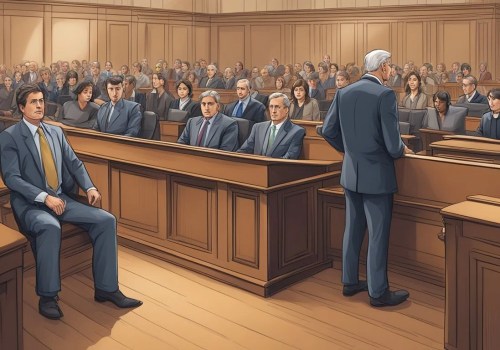
The jury selection process is a critical component of the criminal justice system, serving as the foundation for ensuring a fair trial. In criminal law cases, the jury is tasked with evaluating evidence and rendering a verdict based on the facts presented. This process not only determines the outcome of a case but also reflects the values and principles of justice within society. Understanding how jurors are selected is essential for anyone involved in or studying criminal law services.During jury selection, potential jurors are summoned and questioned to assess their suitability for a particular case.
This phase, often referred to as voir dire, allows attorneys to identify biases and ensure that jurors can remain impartial. The importance of this process cannot be overstated; a well-selected jury can significantly influence the trial's direction and its ultimate verdict. Moreover, it underscores the legal principle that every defendant is entitled to a fair trial by a jury of their peers. As we delve deeper into the intricacies of jury selection, we will explore various strategies employed by legal professionals, the criteria for juror disqualification, and the impact of demographic factors on jury composition. By grasping these elements, one can appreciate the profound role that jury selection plays in upholding justice within the realm of criminal law.
Overview of Criminal Law Services
In the realm of criminal law services, the jury selection process, also known as voir dire, plays a pivotal role in shaping the outcome of a case.Legal professionals, particularly those specializing in criminal defense, are tasked with the critical responsibility of selecting jurors who will impartially evaluate the evidence presented during a trial.The jury selection process begins with the identification of potential jurors from a pool, often drawn from voter registrations or other public records. During this phase, attorneys for both the defense and prosecution have the opportunity to question these individuals to assess their suitability. This questioning aims to uncover any biases or preconceived notions that may affect a juror's ability to render an impartial verdict.
- Understanding Juror Backgrounds: Attorneys delve into potential jurors' backgrounds, including their personal experiences, beliefs, and attitudes towards crime and justice. This information is crucial in determining how a juror might perceive the case.
- Utilizing Challenges: Each side has a limited number of peremptory challenges, allowing them to dismiss potential jurors without providing a reason.
Additionally, they can use challenges for cause if they believe a juror cannot be impartial.
- The Role of Legal Representation: Skilled legal representation is essential during this process. Experienced attorneys can identify subtle cues and biases that may not be immediately apparent, ensuring that the selected jury is as favorable as possible for their client.
The Importance of Jury Selection in Criminal Cases
Jury selection is a pivotal aspect of the criminal justice process, significantly influencing the outcome of trials.The importance of jury selection cannot be overstated, as it directly impacts the fairness and integrity of the judicial system. A well-selected jury can lead to a more just verdict, while a poorly chosen one may skew the trial's results.During the jury selection process, attorneys for both the defense and prosecution engage in a careful examination of potential jurors. This process, known as voir dire, allows lawyers to assess jurors' backgrounds, beliefs, and biases that could affect their judgment. The goal is to assemble a jury that is impartial and capable of delivering a fair verdict based solely on the evidence presented in court.The impact on trial outcomes is profound.
A jury that resonates with the defendant's background or circumstances may be more sympathetic, potentially leading to a favorable outcome. Conversely, jurors with preconceived notions about crime or specific demographics may lean towards conviction, regardless of the evidence. Thus, understanding juror profiles and their potential biases is crucial for legal teams.Moreover, the jury's role in justice extends beyond individual cases; it embodies the community's voice in the legal system. A diverse jury reflects a range of perspectives and experiences, which can enhance deliberation and lead to more equitable decisions.
This diversity is essential in ensuring that justice is not only done but seen to be done.In conclusion, effective jury selection is fundamental in criminal law services. It shapes not only the immediate outcomes of trials but also upholds public confidence in the justice system as a whole.
Steps in the Jury Selection Process
The process of selecting a jury in a criminal law case is crucial to ensuring a fair trial. This process, often referred to as jury selection, involves several key steps that help determine which individuals will serve as jurors.- Jury Pool Assembly: The first step involves assembling a pool of potential jurors, typically drawn from voter registration lists or other public records. This pool is meant to represent a cross-section of the community.
- Juror Qualifications: Before proceeding, potential jurors must meet certain qualifications.
Generally, they must be at least 18 years old, a citizen of the United States, and a resident of the jurisdiction where the trial is taking place. Additionally, they should not have any disqualifying factors such as felony convictions or mental incapacity.
- Voir Dire Process: The next step is the voir dire process, where attorneys for both sides question potential jurors to assess their suitability. This stage is critical as it allows lawyers to identify any biases or preconceived notions that may affect a juror's impartiality.
- Challenges: During voir dire, attorneys can challenge potential jurors either for cause or through peremptory challenges. A challenge for cause requires a valid reason, such as a conflict of interest, while peremptory challenges allow attorneys to dismiss jurors without stating a reason, although these are limited in number.
- Final Jury Selection: After the questioning and challenges, the final jury is selected.
Typically, this consists of 12 jurors in criminal cases, although some jurisdictions may allow for fewer. Once selected, jurors are sworn in and instructed on their duties.
Understanding Voir Dire: The Questioning Phase
The voir dire process is a critical phase in the jury selection for criminal law cases, where attorneys have the opportunity to question potential jurors. This questioning phase aims to uncover any biases or preconceived notions that could affect a juror's impartiality.Understanding how this process works is essential for both legal professionals and individuals interested in the workings of the criminal justice system.During voir dire, attorneys from both the prosecution and defense will ask a series of questions to gauge the suitability of each juror. These questions can range from inquiries about personal beliefs and experiences to more specific questions related to the case at hand. The goal is to identify any factors that may prevent a juror from being fair and impartial.
Types of Questions Asked
- Background Questions: These may include inquiries about the juror's occupation, education, and family background.
- Opinion Questions: Jurors may be asked about their views on certain issues relevant to the case, such as attitudes toward law enforcement or specific legal principles.
- Experience Questions: Attorneys might explore whether potential jurors have had any prior experiences with the legal system that could influence their judgment.
For example, if a juror has a personal connection to the case or has expressed strong opinions that could bias their judgment, an attorney may challenge that juror for cause. The judge ultimately decides whether to grant these challenges.The voir dire process is not only about selecting jurors but also about establishing a foundation for a fair trial. By carefully assessing each potential juror's background and beliefs, attorneys can work towards assembling a jury that will uphold the principles of justice in criminal law cases.
Challenges During Jury Selection
During the jury selection process in a criminal law case, various challenges can arise that may impact the composition of the jury. Understanding these challenges is crucial for both legal professionals and defendants seeking fair representation.Challenges for Cause
One of the primary methods for addressing potential juror bias is through challenges for cause.This type of challenge allows attorneys to request the dismissal of a juror who demonstrates a clear inability to be impartial. Common reasons for such challenges include:
- Personal connections: Jurors who know the defendant, victim, or witnesses may be biased.
- Preconceived notions: Jurors with strong opinions about the case or its subject matter may not be able to set aside their beliefs.
- Life experiences: Past experiences that could influence a juror's perspective on the case can also be grounds for dismissal.
Peremptory Challenges
In addition to challenges for cause, attorneys have access to peremptory challenges, which allow them to dismiss a certain number of jurors without providing a reason. This tool is particularly useful for addressing concerns about potential bias that may not meet the strict criteria for a challenge for cause. However, the use of peremptory challenges is not without controversy, as they can sometimes lead to discriminatory practices if misused.Jury Bias
The overarching concern during jury selection is jury bias.Bias can stem from various sources, including media coverage, community sentiment, and personal beliefs. Attorneys must be vigilant in identifying and addressing any signs of bias among potential jurors. Effective questioning during voir dire—the jury selection process—can help uncover biases that might affect a juror's ability to render an impartial verdict.Ultimately, navigating these challenges requires skill and strategy from legal professionals. By effectively utilizing challenges for cause and peremptory challenges, attorneys can work towards assembling a jury that reflects fairness and impartiality, which is essential in upholding the integrity of the criminal justice system.
The Role of Criminal Defense Attorneys in Jury Selection
In the intricate process of jury selection, criminal defense attorneys play a pivotal role in ensuring that their clients receive a fair trial.This phase, often referred to as voir dire, is where potential jurors are questioned to assess their suitability for the case at hand. The defense attorney's strategy during this process is crucial, as it can significantly influence the trial's outcome.
Defense attorneys
employ various strategies to identify jurors who may be sympathetic to their client's position. They analyze potential jurors' backgrounds, beliefs, and biases that could affect their judgment. This involves not only asking direct questions but also observing non-verbal cues and reactions during the questioning process.- Understanding Juror Profiles: Attorneys often create profiles of ideal jurors based on the specifics of the case.
This includes considering factors such as age, occupation, and personal experiences that may align with the defense's narrative.
- Challenging Bias: A key part of a defense attorney's role is to challenge any biases that may exist among potential jurors. This can involve using peremptory challenges to dismiss jurors who may harbor prejudices against the defendant or the charges they face.
- Building Rapport: Establishing a connection with jurors can also be beneficial. Defense attorneys may use this opportunity to present their client in a relatable manner, fostering empathy and understanding.
This strategic approach is essential in navigating the complexities of criminal law services and achieving a just outcome for defendants.
Common Misconceptions About Jury Selection
When it comes to jury selection in criminal law cases, there are several misconceptions that can lead to confusion. Understanding these myths is crucial for anyone interested in the legal process.Myth 1: All Jurors Are Unbiased
One common misconception is that jurors enter the courtroom with no biases. In reality, every individual has personal experiences and beliefs that can influence their perspective. During the jury selection process, attorneys aim to identify these biases through questioning, ensuring a fair trial.Myth 2: Jury Selection Is Random
Another myth is that jurors are selected randomly from the population.While there is a random element in choosing potential jurors from a pool, the actual selection involves careful consideration by both the prosecution and defense. Lawyers use voir dire, a process of questioning potential jurors, to assess their suitability based on the case specifics.
Myth 3: Lawyers Can Choose Anyone They Want
Many believe that lawyers have complete control over who serves on a jury. However, they must adhere to legal guidelines and cannot exclude jurors based solely on race, gender, or other discriminatory factors. Each side has a limited number of peremptory challenges, which allow them to dismiss certain jurors without stating a reason.Common Questions About Jury Selection
- How long does jury selection take?
The duration can vary significantly depending on the case complexity and the number of potential jurors questioned. - Can jurors be dismissed for personal reasons?
Yes, jurors can be excused for personal hardships or conflicts of interest that may affect their ability to serve impartially. - What happens if a juror is biased?
If a juror is found to be biased after selection, they may be dismissed from the jury, and an alternate may take their place.
Conclusion: The Impact of Effective Jury Selection on Criminal Trials
In conclusion, the process of selecting a jury in a criminal law case is a critical component that can significantly influence the outcome of a trial.Throughout this article, we have explored the various stages involved in jury selection, from the initial jury pool to the final selection of jurors who will hear the case. Each step is designed to ensure that the jury is impartial and capable of delivering a fair verdict based on the evidence presented.Effective jury selection not only helps in upholding the principles of justice but also reinforces public confidence in the legal system. When jurors are chosen carefully, it minimizes biases and enhances the likelihood that decisions are made based on facts rather than preconceived notions or external influences.
- Understanding Juror Backgrounds: A thorough examination of potential jurors' backgrounds allows attorneys to identify any biases that may affect their judgment.
- Utilizing Voir Dire: This questioning process is essential for uncovering hidden prejudices and ensuring that jurors can remain objective throughout the trial.
- The Role of Criminal Law Services: Engaging experienced criminal law services can provide invaluable insights into effective jury selection strategies, enhancing the defense or prosecution's ability to present their case.
As we have seen, every detail matters in jury selection, and its significance cannot be overstated in the pursuit of fair trials.