In the realm of criminal law, the role of a prosecutor is pivotal, serving as the bridge between the state and the accused. Prosecutors are responsible for representing the government in criminal cases, ensuring that justice is served while upholding the rights of all parties involved. Their duties extend beyond merely presenting evidence; they are tasked with investigating crimes, determining whether charges should be filed, and guiding cases through the judicial process. This multifaceted role underscores the importance of criminal law services in maintaining public safety and order. The prosecutor's influence is felt at every stage of a criminal law case.
From the initial investigation to the final verdict, they play a crucial role in shaping the outcome. They assess evidence, work closely with law enforcement agencies, and make critical decisions about plea bargains and trial strategies. This responsibility not only requires a deep understanding of legal principles but also a commitment to ethical standards and community welfare. As such, prosecutors are often seen as guardians of justice, balancing the need for accountability with the rights of defendants. Understanding the prosecutor's role is essential for anyone navigating the complexities of criminal law.
Whether you are a victim seeking justice or an accused individual trying to understand your rights, recognizing how prosecutors operate can provide valuable insights into the legal process. As we delve deeper into this topic, we will explore specific functions and challenges faced by prosecutors, highlighting their indispensable contribution to our legal system.
What is a Prosecutor?
A prosecutor is a legal representative of the government in criminal cases, tasked with the responsibility of presenting the case against an individual accused of committing a crime. Their primary role is to ensure that justice is served by prosecuting offenders while upholding the rights of the accused. This involves gathering evidence, interviewing witnesses, and building a compelling case to present in court.Prosecutors play a crucial role in the criminal justice system, as they are responsible for deciding whether to file charges against a suspect and what charges to bring.They must evaluate the strength of the evidence and determine if it is sufficient to proceed with prosecution. This decision-making process is vital in maintaining the integrity of criminal law services.
Types of Prosecutors
- District Attorneys (DAs): Typically elected officials who serve at the county level, DAs handle a wide range of criminal cases, from misdemeanors to felonies.
- State Attorneys General: These officials represent the state in legal matters and may oversee prosecutions in more serious cases or provide guidance to local prosecutors.
- U.S. Attorneys: Appointed by the President, U.S. Attorneys prosecute federal crimes and represent the United States in civil litigation.
- Special Prosecutors: Appointed for specific cases, often involving conflicts of interest or high-profile investigations.
This includes ensuring that evidence is obtained legally and that defendants receive fair treatment throughout the judicial process. By balancing these duties, prosecutors help maintain public trust in the legal system while effectively enforcing criminal law services.
The Functions of a Prosecutor in Criminal Law Cases
The role of a prosecutor in criminal law cases is multifaceted and crucial to the functioning of the justice system. Prosecutors are responsible for representing the government in criminal proceedings, ensuring that justice is served while upholding the rights of the accused.Key Functions of a Prosecutor:
- Filing Charges: One of the primary duties of a prosecutor is to evaluate evidence and determine whether there is sufficient basis to file criminal charges against an individual. This involves a thorough review of police reports, witness statements, and other relevant materials.
- Presenting Evidence: During trial proceedings, prosecutors present evidence to support their case.
This includes calling witnesses, submitting physical evidence, and making legal arguments to persuade the judge or jury of the defendant's guilt.
- Negotiating Plea Deals: Prosecutors often engage in plea negotiations with defense attorneys. This process can lead to reduced charges or lighter sentences for defendants in exchange for a guilty plea, which helps to expedite the judicial process and conserve resources.
- Advising Law Enforcement: Prosecutors work closely with law enforcement agencies during investigations. They provide legal guidance on how to gather evidence lawfully and ensure that procedures are followed correctly to avoid compromising cases.
- Victim Advocacy: In many cases, prosecutors also serve as advocates for victims of crime. They keep victims informed about the progress of the case and may involve them in plea negotiations, ensuring their voices are heard in the judicial process.
Their role not only involves prosecuting offenders but also ensuring that legal standards are upheld throughout the process, thereby reinforcing public trust in criminal law services.
The Prosecutor's Role in Pre-Trial Proceedings
In the realm of criminal law services, the role of the prosecutor during pre-trial proceedings is pivotal in shaping the trajectory of a criminal case. This phase is crucial as it sets the foundation for the trial, and the prosecutor's responsibilities are multifaceted.One of the primary duties of a prosecutor in this stage is to conduct thorough investigations. This involves:- Gathering Evidence: Prosecutors work closely with law enforcement agencies to collect physical evidence, witness statements, and expert testimonies that will support their case.
- Reviewing Case Files: They meticulously analyze police reports and other documentation to identify strengths and weaknesses in the evidence.
- Engaging with Victims: Prosecutors often communicate with victims to understand their perspectives and ensure their rights are upheld throughout the process.
This decision-making process is influenced by various factors, including:
- The strength of the evidence collected.
- The legal standards that must be met for prosecution.
- The potential impact on victims and the community.
The Prosecutor's Role During Trial
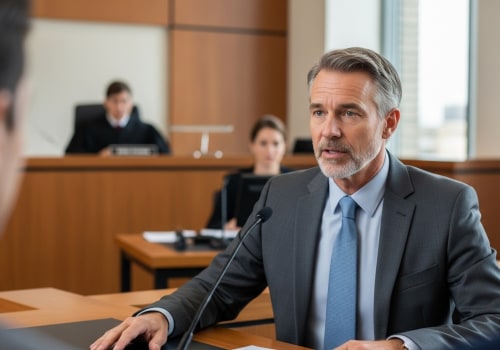
During the trial phase of a criminal case, the prosecutor plays a pivotal role in ensuring that justice is served.Their primary responsibility is to present the case against the defendant, which involves a series of critical tasks that can significantly influence the trial's outcome.
Presenting Evidence
- The prosecutor must gather and organize all relevant evidence that supports the charges against the defendant. This includes physical evidence, documents, and digital records.
- They are responsible for introducing this evidence in court, ensuring it is admissible and presented in a manner that is clear and compelling to the jury.
Witness Examination
- Another key duty of the prosecutor is to call witnesses to testify. This may include law enforcement officers, expert witnesses, and individuals who can provide firsthand accounts of the events in question.
- The prosecutor must skillfully examine these witnesses, asking questions that elicit important information while also anticipating and countering any defense strategies.
Legal Arguments
- Throughout the trial, the prosecutor must articulate legal arguments that support their case. This involves not only presenting facts but also interpreting laws and precedents that apply to the situation.
- They must be prepared to respond to objections from the defense and adapt their strategy as necessary based on how the trial unfolds.
Their ability to communicate clearly, present evidence persuasively, and engage with witnesses effectively is crucial in navigating the complexities of criminal law services. A skilled prosecutor not only seeks a conviction but also upholds the integrity of the judicial process, ensuring that justice is served fairly and impartially.
Post-Trial Responsibilities of a Prosecutor
After a trial concludes, the role of a prosecutor extends beyond the courtroom, encompassing several critical post-trial responsibilities. These duties are essential in ensuring that justice is served and that the legal process is upheld.One of the primary responsibilities of a prosecutor post-trial is to prepare for sentencing. This involves gathering and presenting information that can influence the judge's decision regarding the appropriate punishment for the convicted individual.Prosecutors often compile victim impact statements, criminal history, and any mitigating or aggravating factors that may affect sentencing.Additionally, prosecutors may be involved in the appeals process. If the defense chooses to appeal a conviction, the prosecutor must respond to the appeal by providing legal arguments and evidence to uphold the original verdict. This requires a thorough understanding of both the case details and relevant legal precedents.Furthermore, prosecutors play a vital role in ensuring that any post-conviction relief motions are addressed. This includes reviewing claims of ineffective assistance of counsel or new evidence that may emerge after the trial.
The prosecutor's duty is to evaluate these claims fairly while maintaining the integrity of the judicial system.In some cases, prosecutors may also engage in plea negotiations even after a trial has concluded. If new evidence arises or if there are changes in circumstances, they might consider alternative resolutions that could benefit both the state and the defendant.Overall, the post-trial responsibilities of a prosecutor are crucial in shaping the outcomes of criminal cases. Their ongoing involvement ensures that justice is not only pursued during the trial but also upheld in subsequent legal proceedings, reflecting their integral role within criminal law services.
Ethical Considerations for Prosecutors
The role of a prosecutor in a criminal law case extends beyond merely seeking convictions; it encompasses a profound ethical responsibility to uphold justice. Prosecutors are tasked with ensuring that the legal process is fair and that the rights of all parties involved are respected.This ethical obligation is critical in maintaining public trust in the criminal justice system.
Key Ethical Considerations for Prosecutors:
- Presumption of Innocence: Prosecutors must remember that every defendant is presumed innocent until proven guilty. This principle should guide their actions and decisions throughout the case.
- Disclosure of Evidence: Ethical prosecutorial conduct requires the disclosure of exculpatory evidence—information that may prove the defendant's innocence. Failing to disclose such evidence undermines the integrity of the judicial process.
- Avoiding Conflicts of Interest: Prosecutors must avoid situations where personal interests could conflict with their duty to seek justice. This includes refraining from pursuing cases for personal gain or political pressure.
- Fair Treatment: All defendants, regardless of their background, should be treated fairly.
This includes ensuring equitable access to legal resources and representation.
- Professional Conduct: Prosecutors are expected to conduct themselves with integrity and professionalism, both in and out of the courtroom. Their behavior sets a standard for others in the legal community.
Challenges Faced by Prosecutors in Criminal Law Cases
The role of a prosecutor in a criminal law case is fraught with numerous challenges that can significantly impact the outcome of legal proceedings.Understanding these challenges is crucial for appreciating the complexities involved in criminal law services.
- Resource Limitations: Many prosecutors operate within tight budgets and limited resources. This can hinder their ability to conduct thorough investigations, hire expert witnesses, or allocate sufficient time to each case. The pressure to manage a high volume of cases often leads to rushed decisions, which can affect the quality of prosecution.
- Public Scrutiny: Prosecutors are often under intense public scrutiny, especially in high-profile cases. The media coverage can create a challenging environment where public opinion may influence the prosecution's strategy.
Balancing the pursuit of justice with public expectations can be a daunting task.
- Legal and Ethical Dilemmas: Prosecutors must navigate complex legal frameworks and ethical considerations. They are tasked with ensuring that justice is served while also upholding the rights of the accused. This dual responsibility can lead to difficult decisions, particularly when evidence is ambiguous or when potential misconduct arises.
- Victim Advocacy: While prosecutors represent the state, they also have a duty to advocate for victims. This can create tension, especially when victims have differing opinions on how a case should proceed.
Balancing victim needs with legal obligations requires skill and sensitivity.
- Defense Strategies: Skilled defense attorneys often employ various strategies to challenge the prosecution's case. This includes questioning the credibility of evidence or witnesses, which can complicate the prosecutor's efforts to secure a conviction. Staying ahead of these tactics requires continuous learning and adaptability.
Frequently Asked Questions About Prosecutors and Their Roles
Understanding the role of a prosecutor in a criminal law case is essential for anyone navigating the legal system.Here are some frequently asked questions that clarify their responsibilities:
What is the primary role of a prosecutor?
The primary role of a prosecutor is to represent the government in criminal cases. They are responsible for presenting evidence in court, making legal arguments, and ensuring that justice is served. Prosecutors work to uphold the law while also protecting the rights of victims.How do prosecutors decide whether to file charges?
Prosecutors evaluate evidence gathered by law enforcement to determine if there is sufficient basis to file charges.This decision often involves considering factors such as:
- The strength of the evidence: Is there enough evidence to support a conviction?
- The seriousness of the offense: Is the crime significant enough to warrant prosecution?
- The impact on the victim: How has the crime affected the victim and community?
Do prosecutors have discretion in their cases?
Yes, prosecutors have significant discretion in how they handle cases. They can choose to:- Dismiss charges: If evidence is insufficient or if it serves justice better.
- Pursue plea deals: Offering defendants reduced sentences in exchange for guilty pleas.
- Select charges: Deciding which specific charges to bring based on the circumstances.
What happens if a prosecutor fails to disclose evidence?
If a prosecutor fails to disclose exculpatory evidence (evidence that may prove a defendant's innocence), it can lead to serious consequences, including:- Mistrials: The case may be declared invalid.
- A reversal of conviction: If a defendant is convicted, they may appeal based on prosecutorial misconduct.
Conclusion: The Vital Role of Prosecutors in Upholding Justice
In summary, the role of a prosecutor in a criminal law case is not only pivotal but also multifaceted. Prosecutors serve as the gatekeepers of justice, ensuring that the legal process is upheld while balancing the rights of the accused with the need for public safety. Their responsibilities extend beyond merely presenting evidence in court; they are tasked with investigating cases, making charging decisions, and negotiating plea deals, all of which require a deep understanding of criminal law services.Throughout this article, we have explored several key aspects of a prosecutor's duties:- Case Evaluation: Prosecutors meticulously assess evidence to determine whether there is sufficient basis to file charges, ensuring that only cases with merit proceed to trial.
- Victim Advocacy: They play a crucial role in supporting victims, providing them with information about the legal process and ensuring their voices are heard during proceedings.
- Legal Representation: In court, prosecutors represent the state or government, advocating for justice and the enforcement of laws designed to protect society.
- Plea Bargaining: They often engage in negotiations with defense attorneys to reach plea agreements that can expedite the judicial process while still holding offenders accountable.
They are essential in maintaining public trust in the legal system by ensuring that justice is served fairly and impartially. Their commitment to upholding the law while considering the broader implications of their decisions reflects their vital role in our society.Ultimately, understanding the responsibilities and challenges faced by prosecutors enhances our appreciation for their contributions to criminal law services. As they navigate complex legal landscapes, their dedication to justice remains a cornerstone of our legal system.